The Fat Ewe Farm and Bed and Breakfast
The Fat Ewe Farm and Moose Hills Inn
Organic Permaculture Farmin' for
the Lazy Ewes
  • The Fat Ewe Farm
  • About Us
  • Blog
  • The Fat Ewe Farm Store
  • Livestock Breeds (click here to see all the breeds)
    • Angora goats
    • Icelandic Sheep
    • Jacob sheep
    • Old English Southdown Babydoll Sheep >
      • Babydoll Sheep on the Fat Ewe Farm
  • Contact Us
    • Photo Gallery (click here for some awesome photos or watch the slideshow) >
      • Video Slide Show
    • Phone Number
    • Map
  • Sale Barn
  • Recipes From the Fat Ewe
    • Old Stuff
  • How Much Meat Do You Get?
  • Ukrainian Easter Eggs
  • Moose Hills Inn

Muscovy Ducks

7/11/2015

0 Comments

 
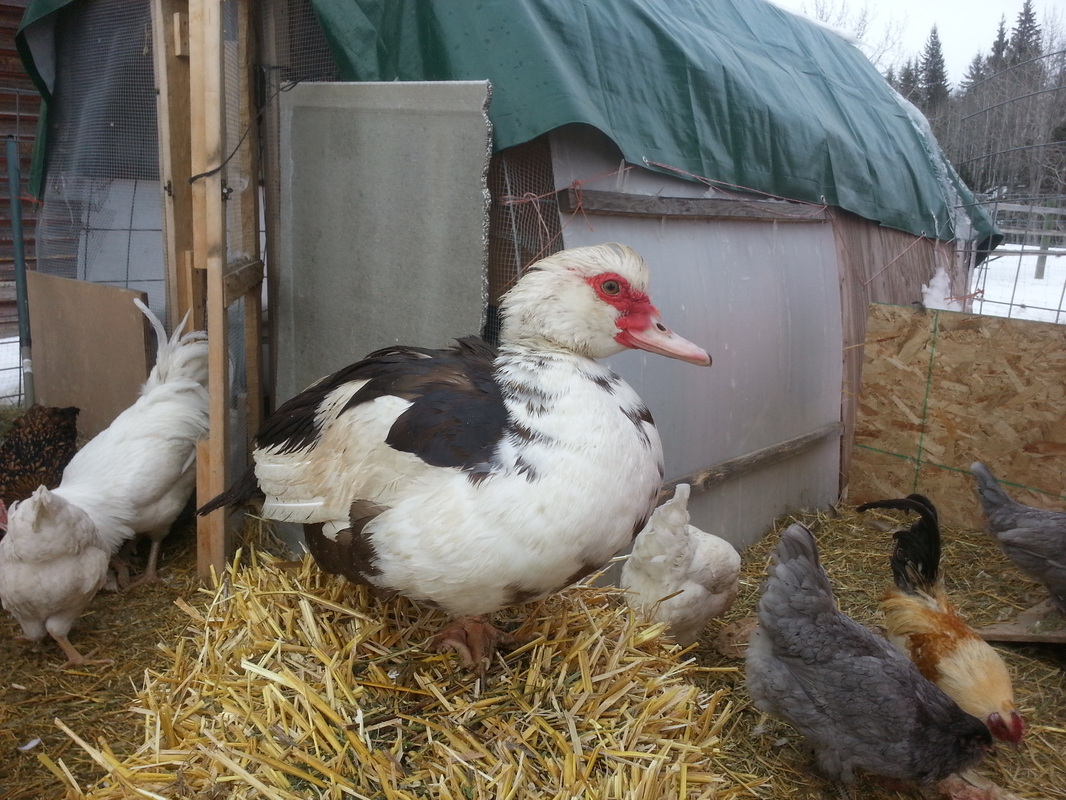
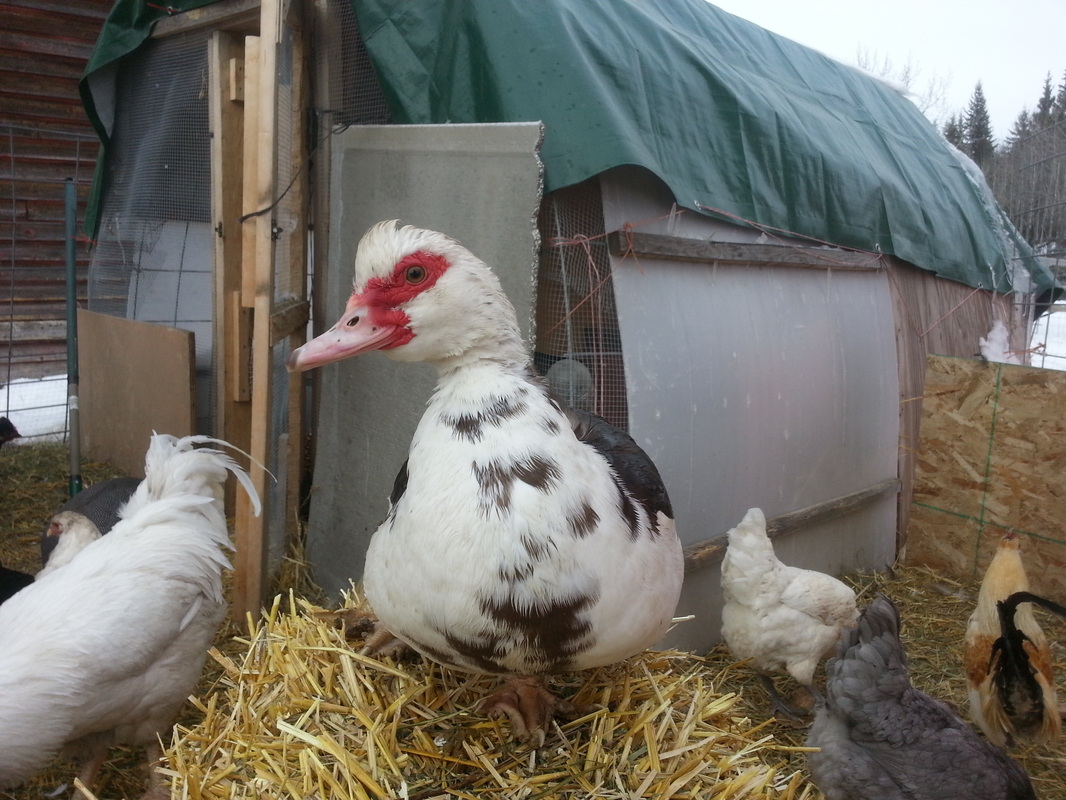
The Fat Ewe Farm has some Muscovy ducks. The origin of the name is uncertain, and they are also called Barbary ducks when they are spoken of for cuisine. The Muscovy is a duck with much dark meat. The males can reach 14 pounds or more and the females are 10 to 12 pounds. Some male Muscovy ducks have been recorded as much as 18 pounds but the females do not reach that weight. They are prized for their tasty meat. 

But Muscovy ducks are from Mexico, Central and South America and they do not withstand the cold the same as the Mallard derived breeds in North America. They can adapt well, but cold winter winds can be very hard on them and their feet will freeze if they do not have adequate bedding to insulate them from the cold. So, here on the farm, the Muscovy ducks sleep with the chickens in the insulated coops. The rest of the ducks and geese sleep in an uninsulated but wind protected coop. Both coops have deep bedding to protect the birds from the cold coming from the bottom. The North American breed ducks tuck their feet under their wings and rest on their down breasts, seemingly impermeable to the cold, however; the Muscovy ducks do not tuch their feet in. 

I have not yet eaten the flesh of a Muscovy duck, but it is purported to be delectable and succulent and the most delicious of all duck breeds. The hens lay very large eggs that are almost the size of small goose eggs. Now, those I have enjoyed many times! One feature of the male Muscovy ducks is his mating capabilities. The male penis on a Muscovy duck is about 7 to 8 inches long and can achieve erection in a fraction of a second. Hmmm. The thing is, the male takes a long time to position the female, dancing on her back and holding her head down with his bill, certainly not comfortable for the female. Her cloaca spirals the opposite direction of the spiralling penis, so she can reject a suitor if she so chooses. Interesting!

The offspring take a very long time to mature, grow slowly and are not fully adult for over a year. North American ducks, on the contrary are mature in about 20 weeks for some breeds and a little longer for others. They do not tend to breed their first year though.  This year, The Fat Ewe Farm, has 6 new Muscovy ducklings so far. Though the ducks will become broody, they tend to fight over nests too and the result is often nonviable eggs that have gotten cold too often. I just removed Jemimah from a nest that she sat on for a month and a half. The eggs were so rotten they were stinking through the shell and one exploded when I touched it. She moved to another spot and was still trying to hatch a single egg she found there, which I removed. When the ducks sit too long, it invites parasites such as lice and mites that thrive on the moist warm environment. Gross!

The Muscovy drake that is on the farm was hatched on the farm. It is hard to sex the ducklings, well, for me it is, until they are more mature. The males are a lot larger and both sexes grow red wart like skin, called caruncles, around their bills and faces. The bumps on the caruncles can freeze and the duck suffer or die from the complications. The very best feature of Muscovy ducks though, is that they eat tons of flies and are excellent fly catchers. The fly population in the farm yard is greatly minimized due to the copious amount of flies the ducks eat, thank goodness. Many farms are ridden with hoards of flies, but they don't have ducks. 

Muscovy ducks are a great addition to the farm, even though they require a little extra care and consideration in the winter and good protection from the winds year round. I am pleased to have them here at the Fat Ewe Farm!
Picture
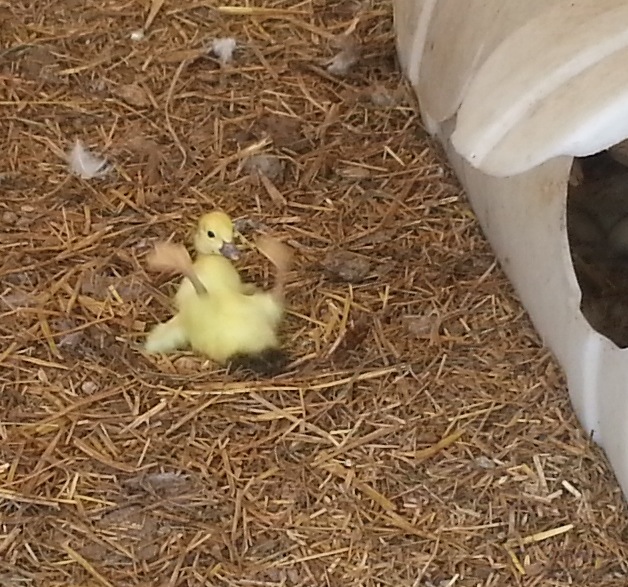
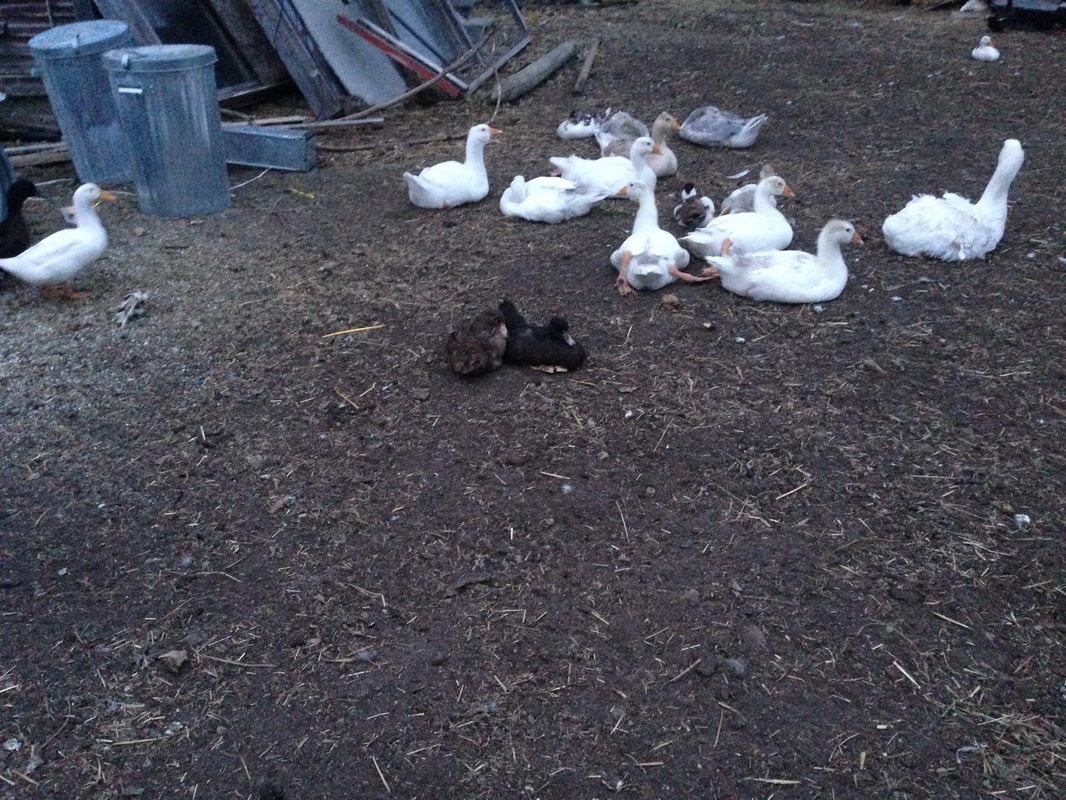
These Muscovy ducklings were brooded with teh geese and some other ducks, so they are bonded and will stay together with them as a group until they are fully adults and then even after that.
Picture
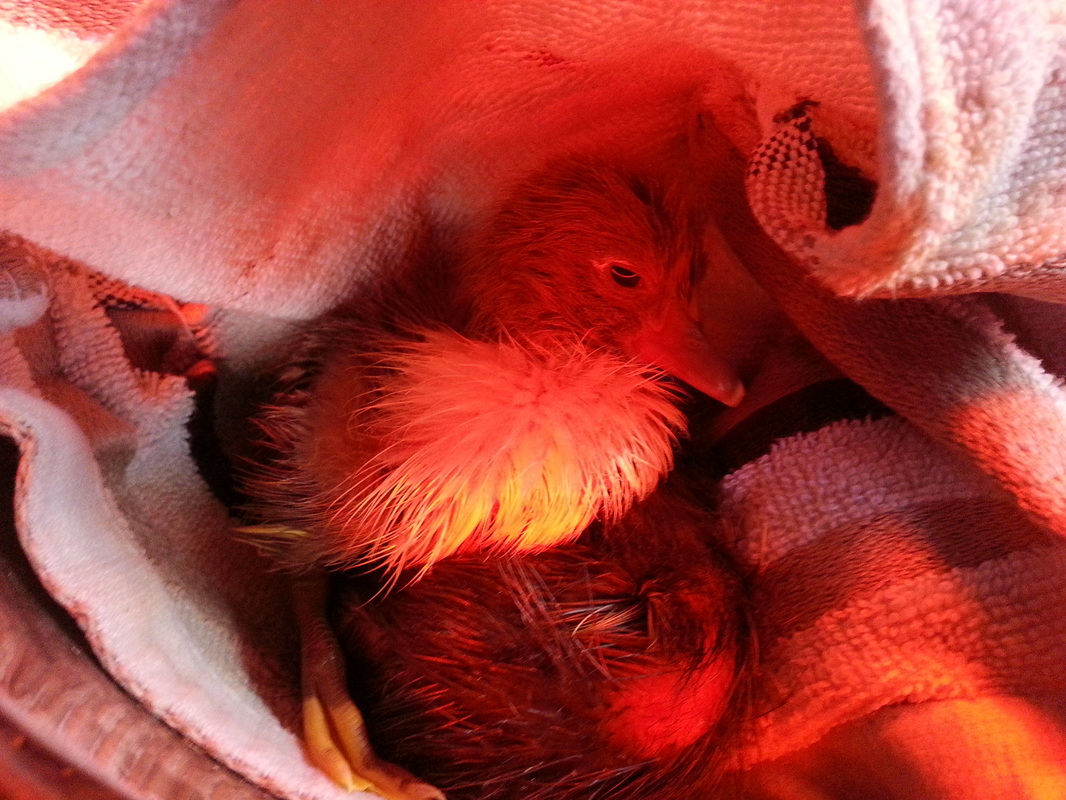
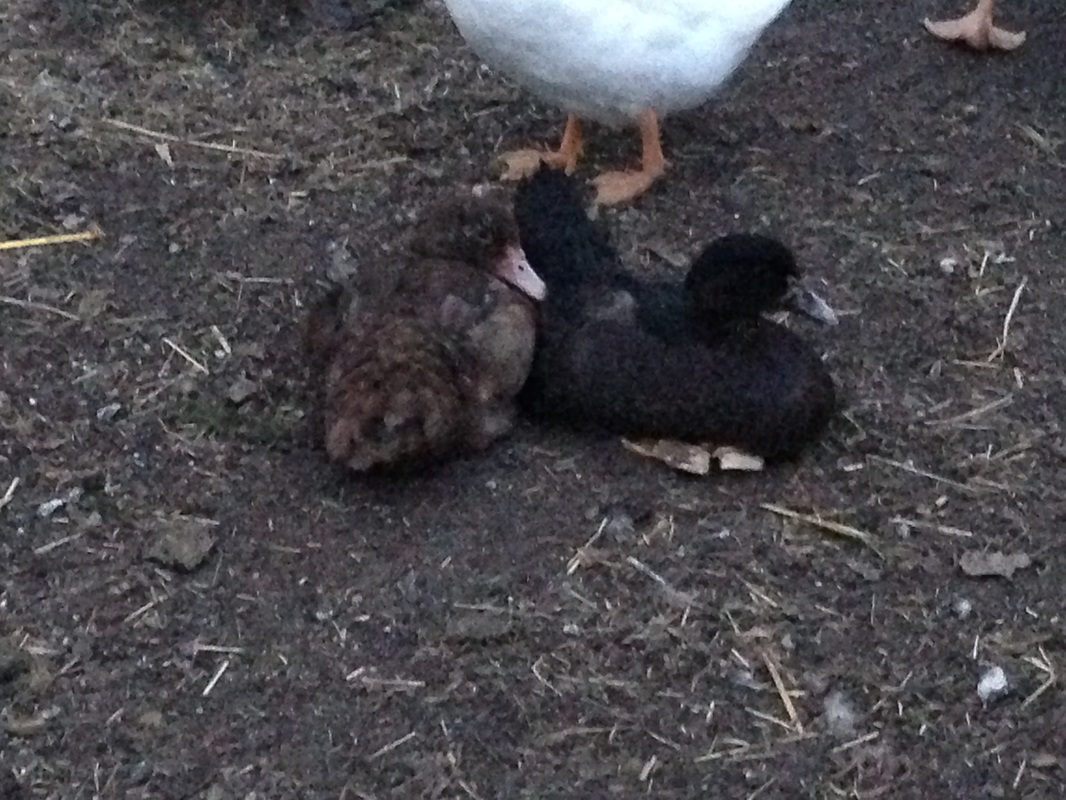
It was quite endearing to see the two Muscovy ducklings cuddling together. Ther eis a third Muscovy with the goslings next to a Blue Swedish duckling in the first photo.
0 Comments

The Eggs Have Begun

3/23/2015

0 Comments

 
Picture
Picture
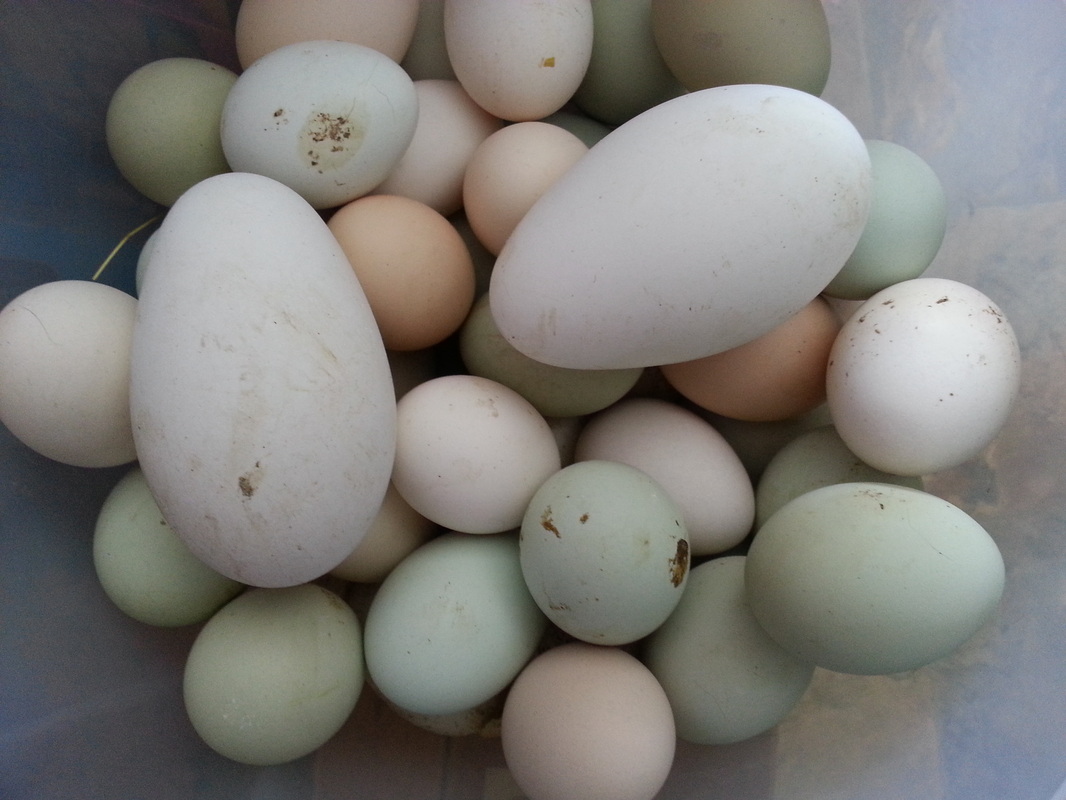
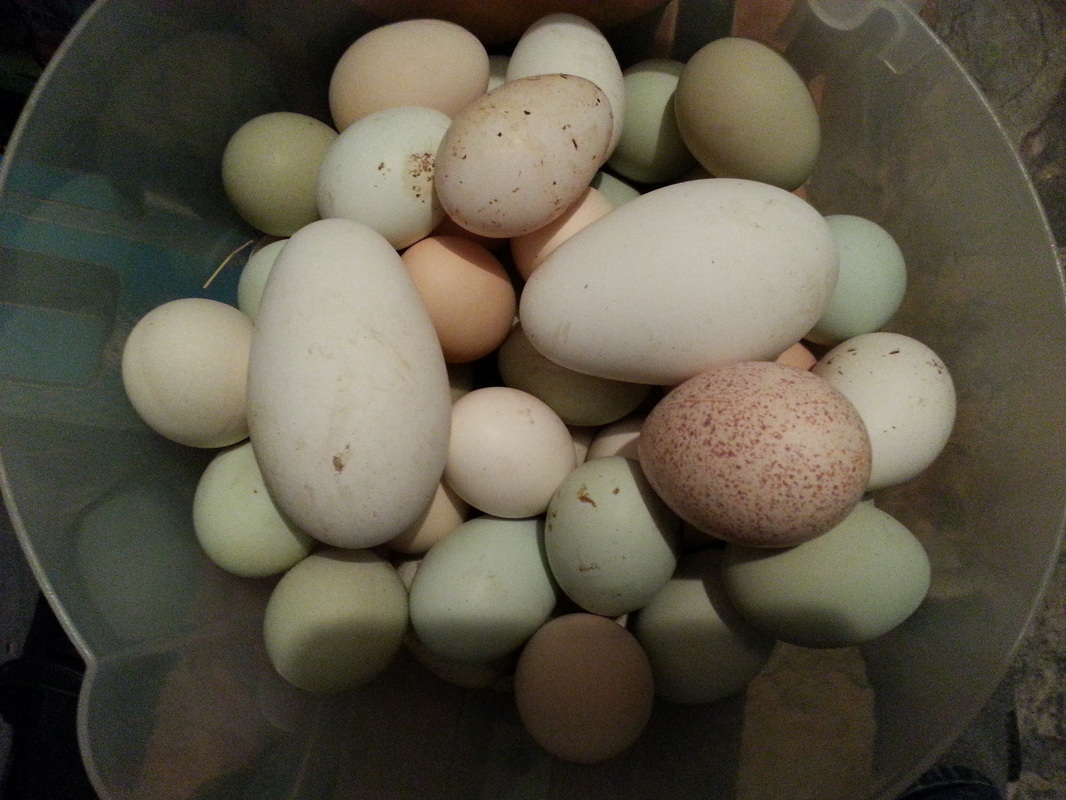
It is early this year for the birds to lay so profusely. The geese have even started to lay and usually they have not been interested until May at the earliest. Evecn the turkey has laid an egg! I know the tom turkey has certainly been very adept at showing himself off, drumming and fanning for his two hens and the chickens who are at all interested, but most are not. 
I would like to say that the eggs come pristinely clean from the nests, but they seldom do, even when I put fresh straw in the boxes. The turkey and goose nests are barrels with ovals cut for openings and they have a piece of cemet board for a roof and another peice of plywood for a screen to their entrance, just enough to make them believe they are private. That is essential for nesting. They need to think they have chosen a spot that is safe from predators and prying inquiries. 

It is too early really for any to hatch the eggs on this farm since they have no enclosed area in which to rear their young. They do have areas that are protected but not from the elements except in the coop. This year, my plan is to remove the babies as soon as they are hatched, that is from the guineas, the geese and the ducks, because they loose to many to the ravens. The chickens seem best at protecting their babies and keeping them out of harms way, so I will attempt to have the chickens hatch and raise the ducks and goslings this year and see what happens. Some babies, I think I will have to brood, or at least eclose the mothers until the babies are big enough that the ravens and hawks leave them alone. Last year, there were about 80 ducklings hatched all in a couple of days, and in the first day, over half of them were eaten by predators. The dogs do not seem to bother with the ravens, likely because the chickens fly as well. 

The goose eggs that are too early, such as these, go to the Easter egg painters, particularly the Ukrainian egg artists. These two goose eggs are already spoken for. I sell the goose eggs for $5 each at this early stage. They may have gotten too cold to be viable for hatching, but they could certainly be eaten or blown out for decorating. 

The turkeys on the farm are cross bred Standard Bronze heritage turkeys and wild turkeys, with little of the wild and more of the bronze. They look quite amazing in the sunlight when their feathers assume a life of their own, shining with hues of bronze, gold and brass in the sunlight. They lay a large speckled egg. The eggs, like all eggs, are white and the second to last function is to lay down colour on the egg, prior to the bloom, which protects the egg from bacteria and keeps the moisture in so it does not dehydrate, yet is porous enough so the chicks can breathe. It is really very amazing! 

I am grateful for the birds on the Fat Ewe Farm. Given that I was truly phobic and terrified of all birds, even the tiniest sparrow or hummingbird, when I first arrived, I have evolved and conquered my fears with much effort and steel of will. I can pick up a turkey or a goose and am not in the least bit afraid. Only going into a coop where there are roosters and hens flying at me, is the last of my hair raising fears, and I am conquering that too, thanks to the Fat Ewe Farm birds. These initial eggs are being sold as hatching eggs and the excess are going to be used to make dog biscuits. Great stuff, really. Ewe ought to try some. 
0 Comments

To Help or Not to Help

9/3/2014

0 Comments

 
Picture
In the world of birds, there are multiple lives in a clutch, but not all hatch, and not all survive. The Muscovy duck sisters sat on a bunch of eggs, hatched nine, and abandoned the rest. Why? There were two half way out of the shell. Did they leave to ensure the survival of those that did hatch, to teach them to eat and drink? Could they afford to wait for the slow pokes making their way out of the eggs? There were five eggs left. I brought them inside and the two that were mostly hatched, I helped out of the shell, but they did not survive. Why? Were they not meant to make it or do the mother birds know that there is something that is not quite right? In the other eggs, three embryos were alive, hearts beating and the babies fully feathered, ready to enter the world, but they never got that opportunity. As soon as the shell was opened, they died, but they would have died in the shell anyhow, without the heat and moisture from the mamma ducks to finish the hatch. Sometimes it appears that nature is cruel. Yet there are nine beautiful healthy baby Muscovy ducks running after their mothers. 

Of all the birds I have helped out of the shell, most did not make it and the few that did, did not survive to adulthood. I suppose it will be a lesson for me to know not to help babies hatch. They must be strong enough and mature enough to do so on their own to face this world with vigour and strength. Not to help is the answer, but that is so hard to do, to just ignore a live baby attempting to make his way into the world, and let him die. Oh my. It is. 

Picture
0 Comments

A Busy Day

9/2/2014

0 Comments

 
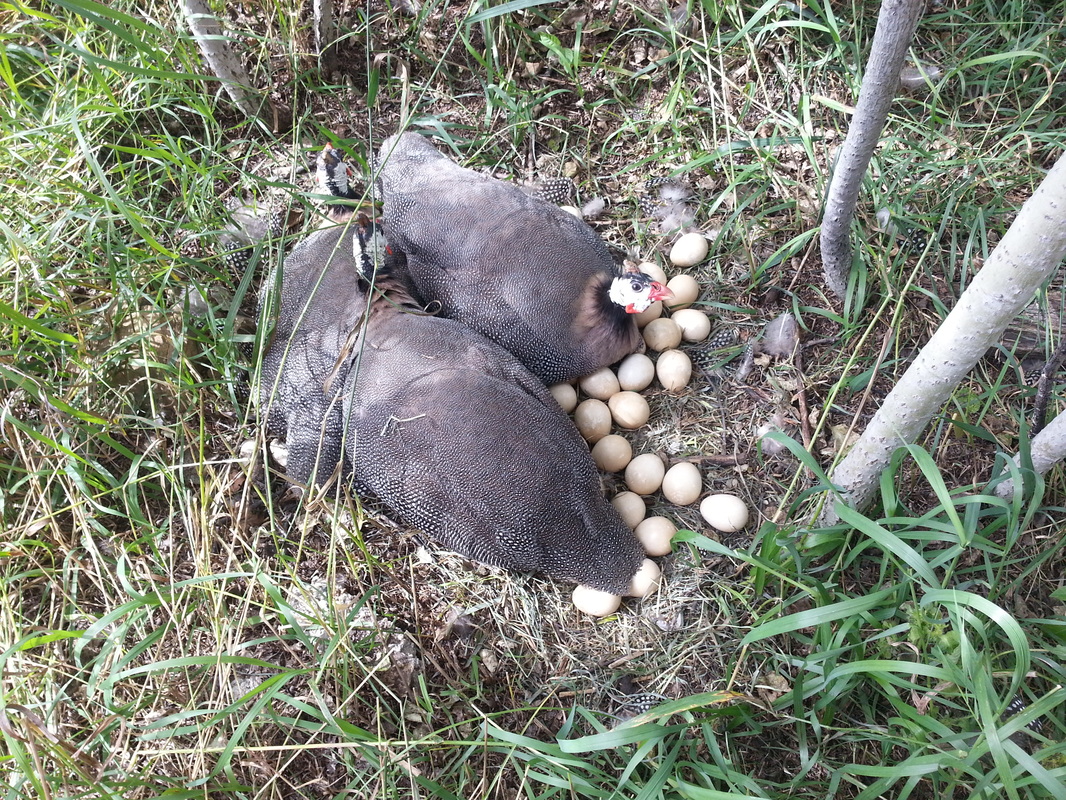
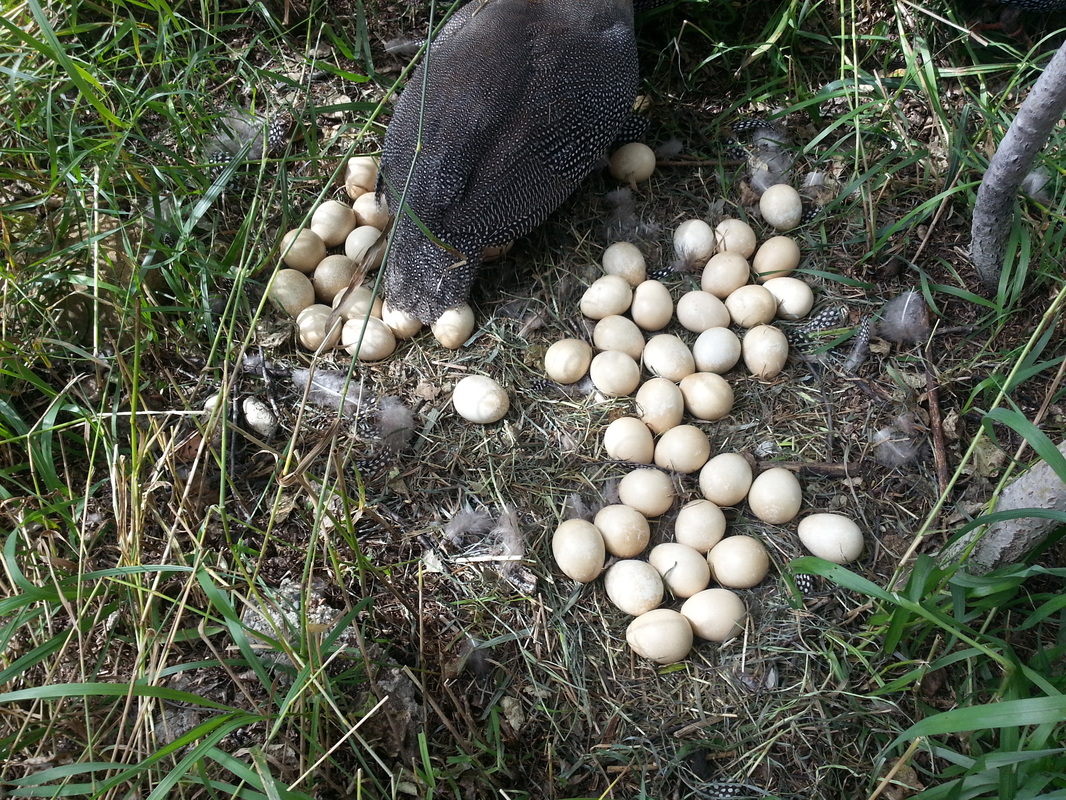
You would think it was spring on the Fat Ewe Farm! The crazy guineas have a huge nest with too many eggs and likely nothing will hatch, because three of them are sitting on that nest and they do not cover all the eggs so some are getting cold and will have arrested development. They are in the little brush between the Inn and the south fence. Boy, do they squawk when I come near. I cannot tell which guineas are female and which are male, but at least one is male because the chickens hatched some guinea keets.
Picture
Picture
Picture
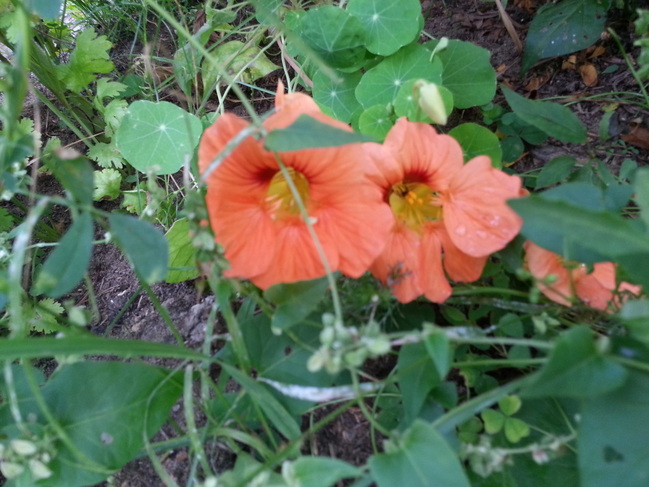
The nasturtium flowers are in full bloom. This one is a beautiful salmon orange colour. They are planted to attract bugs in the garden with the idea that they will leave the tomatoes alone. I eat them in salads too. 

Picture
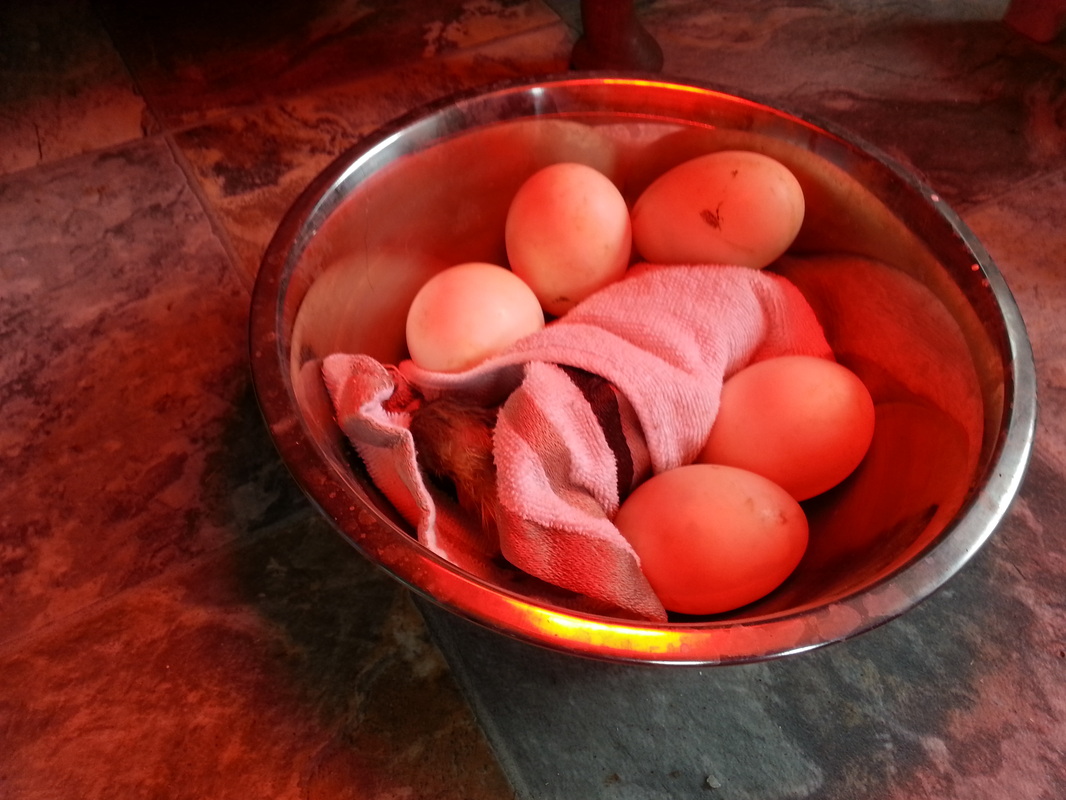
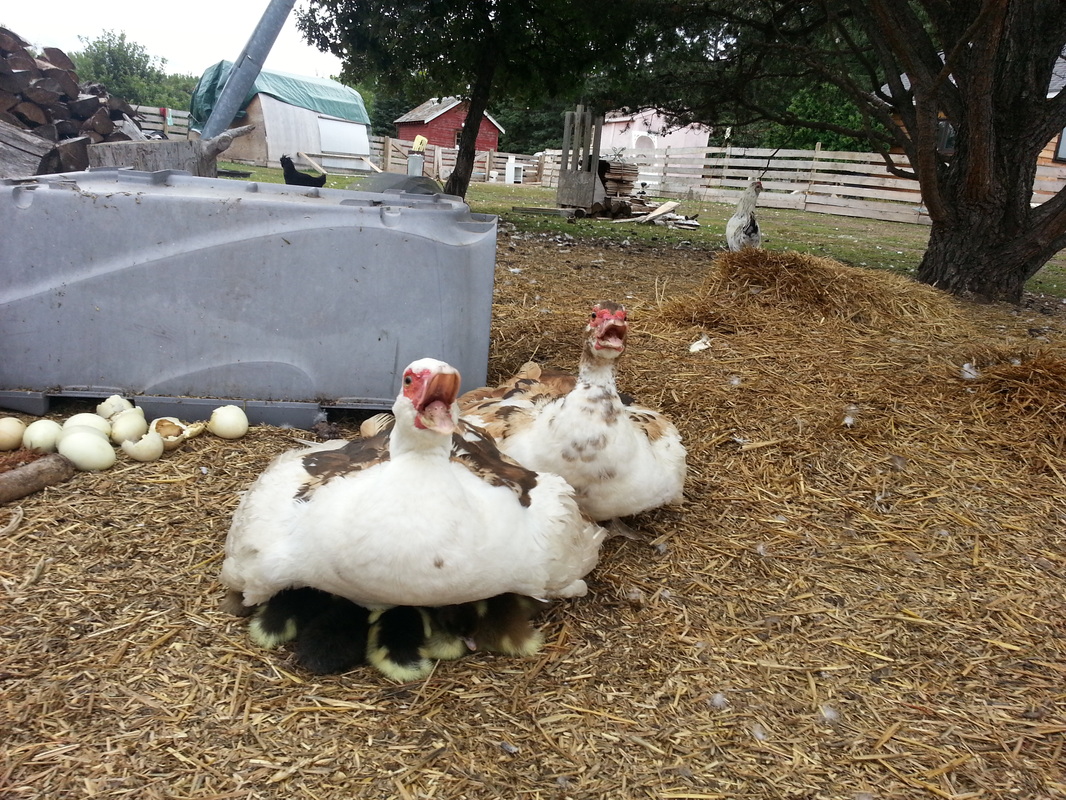
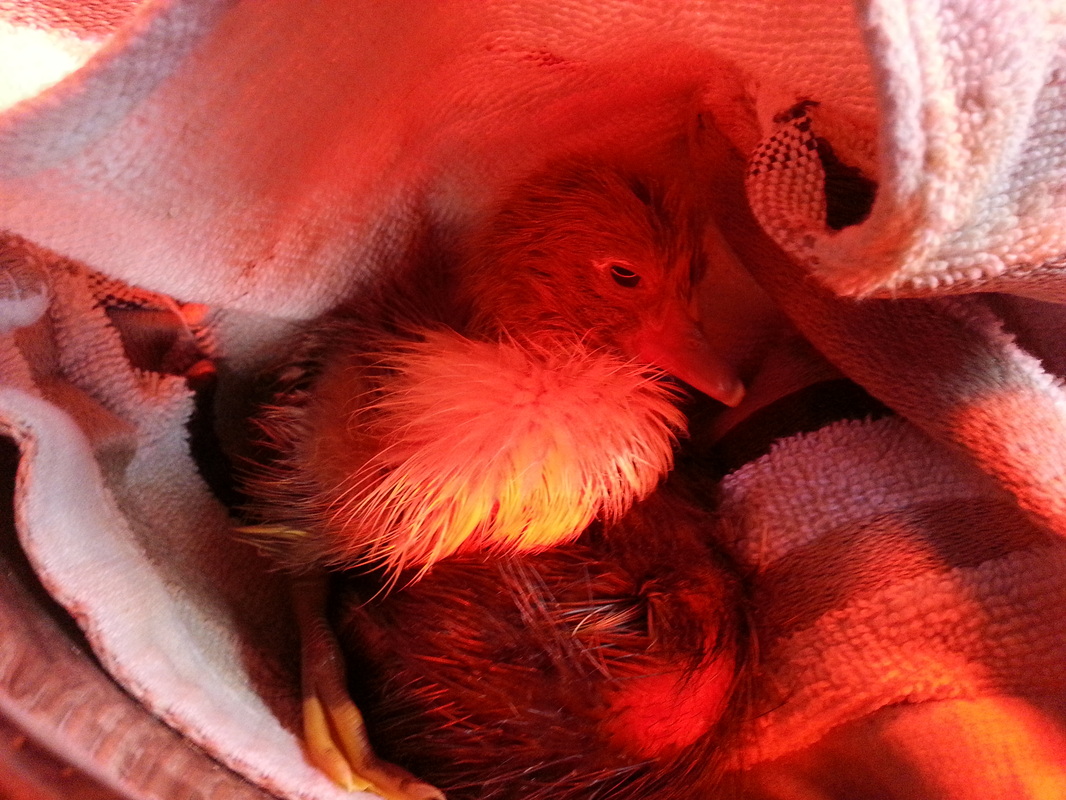
The Muscovy sisters finally hatched 9 ducklings. There were 6 more eggs not hatched and three pipped, which means the babies had poked their beaks out. One died, but the other two were alive. Since they were abandoned, I took them in the house, used very warm water to wash them out of their shells because they were dehydrated and cold, and I put them in a towel under a heat lamp. I dampened the towel and the remaining eggs too. The mother duck provides a lot of natural heat and moisture and while the heat lamp provides heat, it dries rather than adds humidity. The two are alive and well and there is another egg that has pipped, but it may have gotten too cold and the baby may be too weak to make it out. I will try to return these two to their mothers tomorrow. 
Picture
Picture
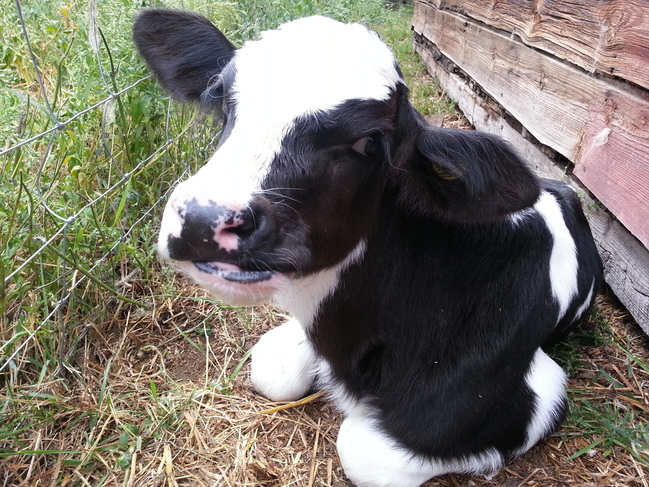
And here is Freddy, the bull calf that was bought as a replacement for the beautiful little heifer that was lost in the mud where she died. He is a large boy and wants to suckle Elsie, but she still does not want to have anything to do with him. I have to tie her leg so she does not kick him and tie her up so she stands. He is not great at nursing. I thought it came naturally, and likely does, but he was already bottle fed a few days when I got him, so apparently he forgot how to nurse. I also have to milk Elsie. She is not producing a great deal of milk for some reason. 

And that is some of the day on the farm. More fencing was completed and the last pen was cleaned. On Tuesday when the dump is opened again, the debris from the yard will be taken away in preparation for winter. I drag a pallet around the bird yard to even it out, break up the poops and clean it, but the birds are going to the processors on Thursday (chickens) and Tuesday (ducks and geese), so will wait a few days. Then the goats and sheep left to sell will go to the auction on the third Monday of September. After that the animals will need to be relocated to their winter pens and the babies separated from the adults for weaning. Whew! So much left to do before the snow flies…..

0 Comments

Don't Count Your Dinners When They Hatch

6/28/2014

0 Comments

 
Picture
I think the raven is knocking off the goslings every morning. Out of 17, there are only 4 left. They are protected by  5 adults, and I do see some missing feathers on the ground where the adults have tried to protect the babies, but with no luck. So the roast goose is not going to be roast goose after all. And the Muscovy ducks were sitting on fourteen eggs, but only hatched one little gaffer who is not even a Muscovy. He is likely a Saxony cross, or because he is small, a Khaki Campbell bred by the white drake. He does have two mothers to look after him and Muscovy ducks can be vicious  with their sharp claws. Hopefully he will make it. Only one Muscovy made it last year from a hatch of seven. 

As far as the chickens sitting on nests, the same thing happened. Too many eggs sat on by too many hens in one nest results in some eggs getting cold and then dying. When I cleaned out the Muscovy nest, all the eggs were rotten and ready to explode. I broke them so they did not, and oh what a terrible smell. It was coming right through the shell by today and the ducks abandoned the nest finally, when this little guy was out. One other duckling hatched, but did not make it for some reason. The lone goose egg had a gosling about three quarters of the way done that had died in the shell, likely from getting cold. 

So the coop was moved today and the big one will be moved tomorrow if it does not rain (looks like it will tonight for sure). The silly chickens do not know where to find their coop. It is within their vision and still was broad day light, but they circled round and round where it used to be looking for it. I gave up trying to herd them towards it and went in for the night. 

It appears that those great hatches are not so great after all. Don't count your chickens before they are hatched is true enough, but with the raven around, maybe do not count them at all? 
0 Comments

Quiet Hot Day on the Farm

6/27/2014

0 Comments

 
Picture
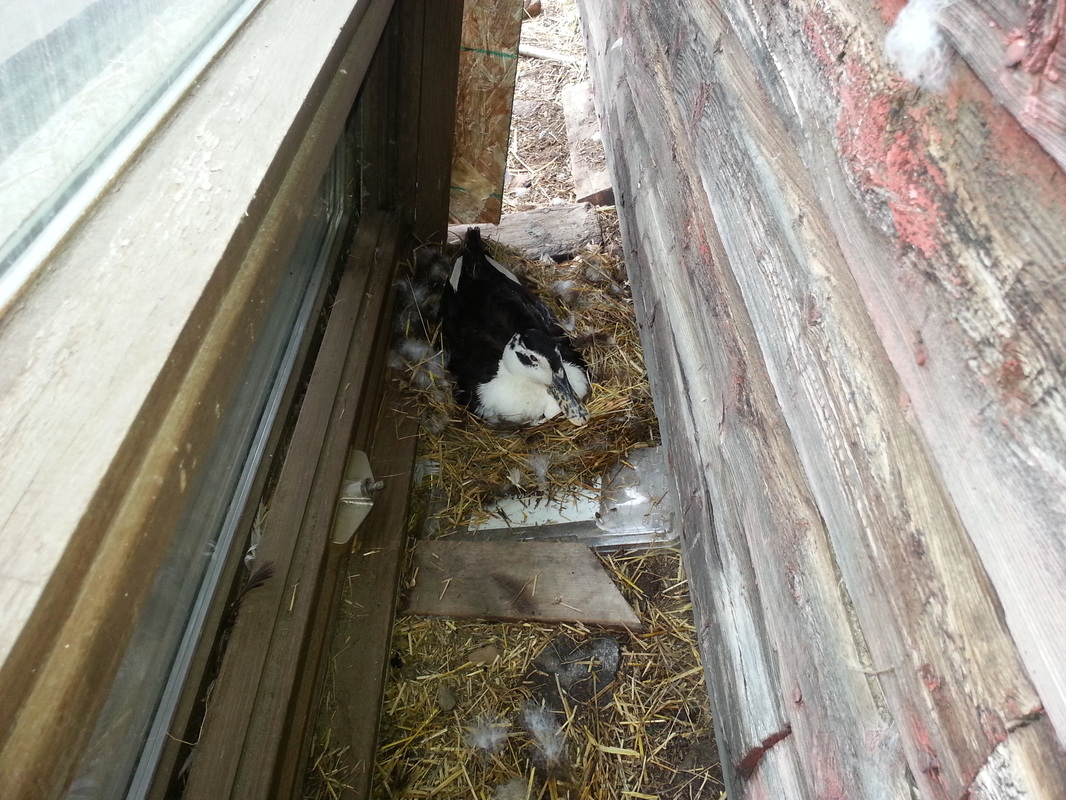
Annie Ancona on her nest behind some used windows. That would have been a very hot spot on a day such as today was, poor girl.
After so much rain for the past month, with the ground being muddy soup everywhere and the mosquitos and flies more prevalent because they can breed so quickly, today was a sunny day, finally. But it was super hot, 27 degrees Celcius, or almost 81 degrees Fernheit. The heat was one thing, but the humidity was the other. 

After the morning chores I settled down for coffee and breakfast, though breakfast never really arrived. I could hear a little kid goat crying and crying and the goats had been getting through the old fence in the weak spots, so I thought I should investigate. Sure enough, they had busted through again. An old tree had fallen on the wire giving them a clear path to the other side where it is always better than the side they are supposed to be on. 

So, I heaved and hoed and finally moved the log, pulled the wire up, got a stick and propped it up like a post to rest the wire on and went back inside. But that kid kept crying and I went out to find him. He was stuck on the right side of the fence this time because the goats that were out were ushered through the main gate and back to their pen leaving him behind. Robbie and I went in the bush and led him back to where he could find his way home. Kids these days, really. 

I went back in to have breakfast and realized I had not seen Georgie, the crippled lamb, go out with the rest, so we went to look for her. She was nowhere in sight and I hoped she would be found by night, but Robbie and I searched the bush, especially where we found her last night, and had no luck. Poor Georgie. Wherever she is, I hope she makes it through until morning. There are many predators in the woods and the dogs do their best, but she cannot run at all, so would not fare well. Bless you little sweetheart baby girl. Stay safe until morning light. 

I went out to do a little gardening, however the humidity was unbearable and sweat was pouring off me. Staying in the sun was not an option. I got two rows of mulching done and decided to go inside. I had long given up on breakfast and decided two fresh mangos from the case I bought yesterday would be a tasty treat. 

I answered some emails and did not too much for a while during the hottest part of the day, went out and cleaned the water bowls and refilled them. The ducks and geese foul the water as soon as it is poured and the goats especially do not like to drink dirty water. There are 5 ducks sitting on nests and a Saxony building one that already has 7 eggs, so soon to be 6 sitting ducks. The Ancona built a nest and began her sojourn today and the Rouen ladies began several days previously. I don't think the Saxony is far behind. That will be a lot of ducklings, if they all survive. Something has been picking off the goslings, the raven perhaps, so we are down to 14 from 28, half. The other Muscovy duck not sitting has her nest ready to go and is all huffy, but I gave her 14 Guinea eggs to hatch because there are plenty of ducklings already under way, including the other two Muscovies who are sitting on their own eggs. 

It was  a quiet hot and muggy day with not much production, but some days are just like that. Now, time to hit the hay. Goodnight and Bless you all. Sweet dreams. 
0 Comments

April 19th, 2014

4/18/2014

0 Comments

 
Picture
The first hatch is underway. The cost of keeping birds is much less than buying hay for sheep and goats, and the eggs, chicks and adult bird sales far outweigh their upkeep. That is not so with the other animals on the farm, but at least something breaks even!
The incubators are not mine, but belong to two different friends. I am splitting the hatch with one friend and the other gets his pick of the birds, so it is a win win situation for me and for them. About 40 mixed duck eggs, Rouen, Saxony, Ancona and Khaki Campbell, plus Muscovy, and 15 Standard Bronze turkey eggs, 18 mixed geese, Tufted Toulouse/Embden/Pomeranian, and chicken, Ameraucana/Partridge and white Chantecler and a few others plus bantams are all in the incubator with the chicks due on April 26 and the waterfowl on May 3 and 5. Muscovy ducks take the longest to hatch, followed by the geese then ducks and chicks the shortest, at 21 days. Some of the hatch has been presold already. About the same time, or a bit later, the farm will be receiving an order from Performance Poultry with specialty birds so there will be waterfowl and chick brooders set up and ready to go. Three separate hatches will be made, with approximately 80 eggs per hatch. After that, if there is still interest, the hatch will be set by order only. Unclaimed birds will be raised and either sent to the processors or kept for layers or for sale as adult birds. In the summer the feed bill is very low because the birds free range and basically feed themselves. This year, the numbers of adult birds are too high for the small farm yard, so they will out to pasture with the sheep so the dogs can also watch over them. With the new fencing, it will be easier to pasture the birds. The fliers go where they wish anyhow, so basically it is the ducks and geese and a few of the chickens that will need supplemental grazing. The benefits of raising the birds are many from fresh pastured eggs to bug control to delicious dinners. And to think that when I began this venture three years ago, I had a terrible bird phobia and could not touch a bird, not even a newly hatched chick, let alone go in a coop. Now I can, though the odd time, I still get prickles on the back of my neck when the birds fly by my head. I actually like them now, especially the comical ducks. They are my favourites, hands down. The egg pictured is from a Standard Bronze turkey, and I even like them. 

0 Comments

Suzy Muscovy

3/8/2014

0 Comments

 
Picture
Picture
Suzy Muscovy is a chocolate and white Muscovy duck. She is smaller than the other females and half the size of the drake, but is very quiet and pretty. The Muscovy duck breed hails from South America, so they need more protection in the winter than the Mallard derived breeds from North America. A draft free building with a lot of straw on the ground so the bitter cold does not come through is absolutely necessary. Drakes have large red caruncles or outcroppings on their noses and eyes and they are prone to freezing, like the large combs of a chicken. Female Muscovy ducks can be as heavy as eight pounds and males as much as ten, though that is the top side for them. They lay less eggs than other duck breeds, but are excellent mothers and will set on a clutch as many as three times a year, hatching their own little ones. When small, the ducklings require protection for arial predators, such as hawks and ravens and from cats and dogs, foxes, coyotes, weasels and whatever other predators are in the area, so they are best kept in an enclosure until they are half grown. The mother duck is very protective of her babies, but she cannot keep them safe from those predators all the time.

Muscovy ducks do not quack, but instead, whisper as though they have laryngitis. They make great city ducks for that reason, because they won't disturb the neighbours, however; they are good flyers. Wings can be clipped to keep them on the ground, though if they are well fed and have enough space they will always come home and not stray far. Suzy sat on eggs with another Muscovy for a long time last summer. The two ducks fought over the nest and often pushed the eggs out, which caused them to get cold and none hatched. Jemimah duck sat on eggs and did not hatch any either, but her sister hatched a couple of babies. The drake that is here is the only survivor. This year, I will take the babies when they are hatched and put them in a covered shelter until they are bigger, so they have an excellent chance of growing up. Muscovies can be quite friendly if they are treated well and the handler frequently is among them. Most do not like to be picked up and they do have long claws and a sharp tip on their beaks, plus extremely strong wings, so they can do some real damage to human skin if they feel threatened. Muscovy eggs are larger than any of the other duck breed eggs, though they lay fewer in a season. The meat of a Muscovy is all dark and not fatty at all, even on the dry side. There is twice as much breast meat than on a standard North American meat duck breed, such as a Pekin, but they take twice as long to raise to slaughter age. Muscovy ducks make the best pest control squad too, eating their weight in flies and bugs if given a chance. They do like vegetables too, so they can quickly eat the tender plants in a garden and are best kept out until the garden is well matured. The Fat Ewe Farm has three ducks and one drake of the Muscovy breed and hopes to have little ones for sale this summer if the mammas do the hatching. They are a great addition to a homestead, whether it is a city lot or a farm, those wonderful Muscovies!

0 Comments

Who's In the Coop?

2/5/2014

0 Comments

 
Picture
Picture
Picture
Picture
Picture
Picture
Picture
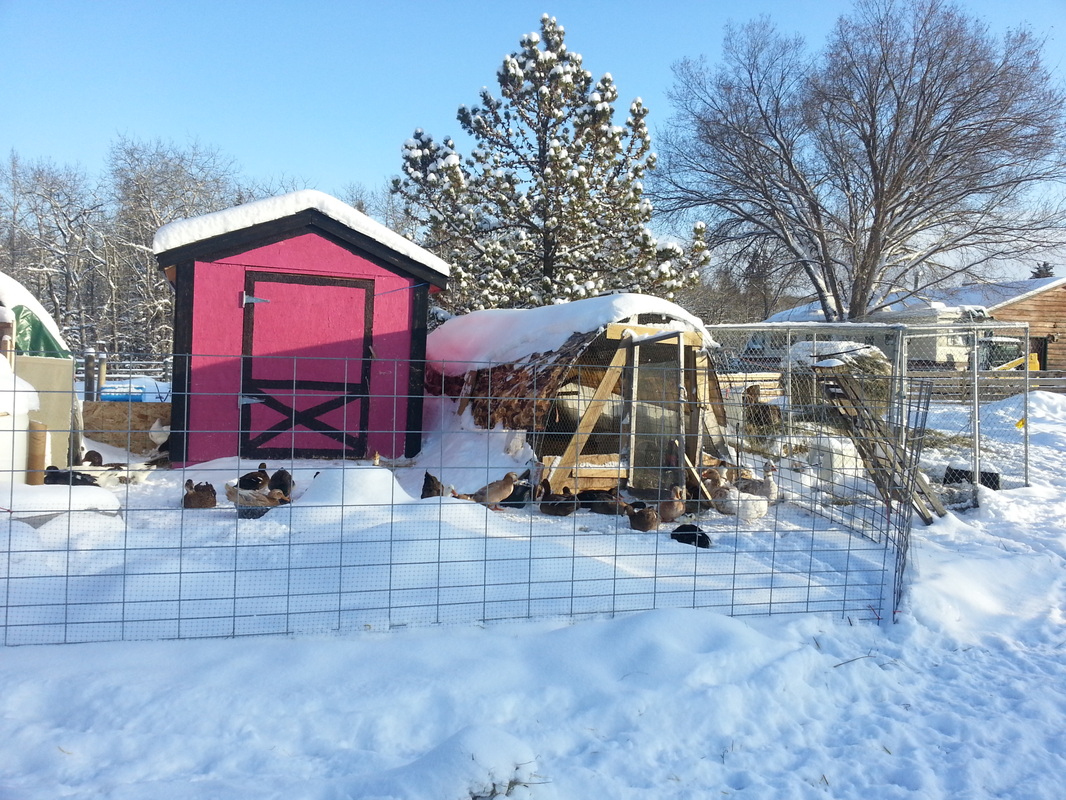
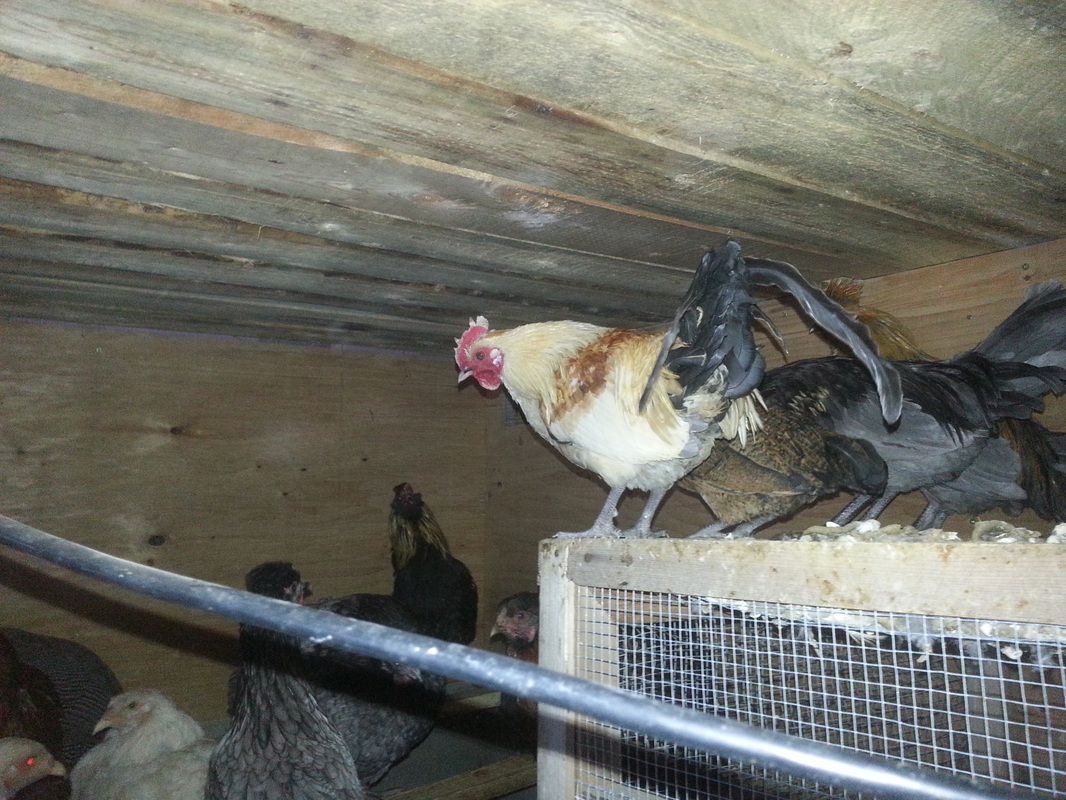
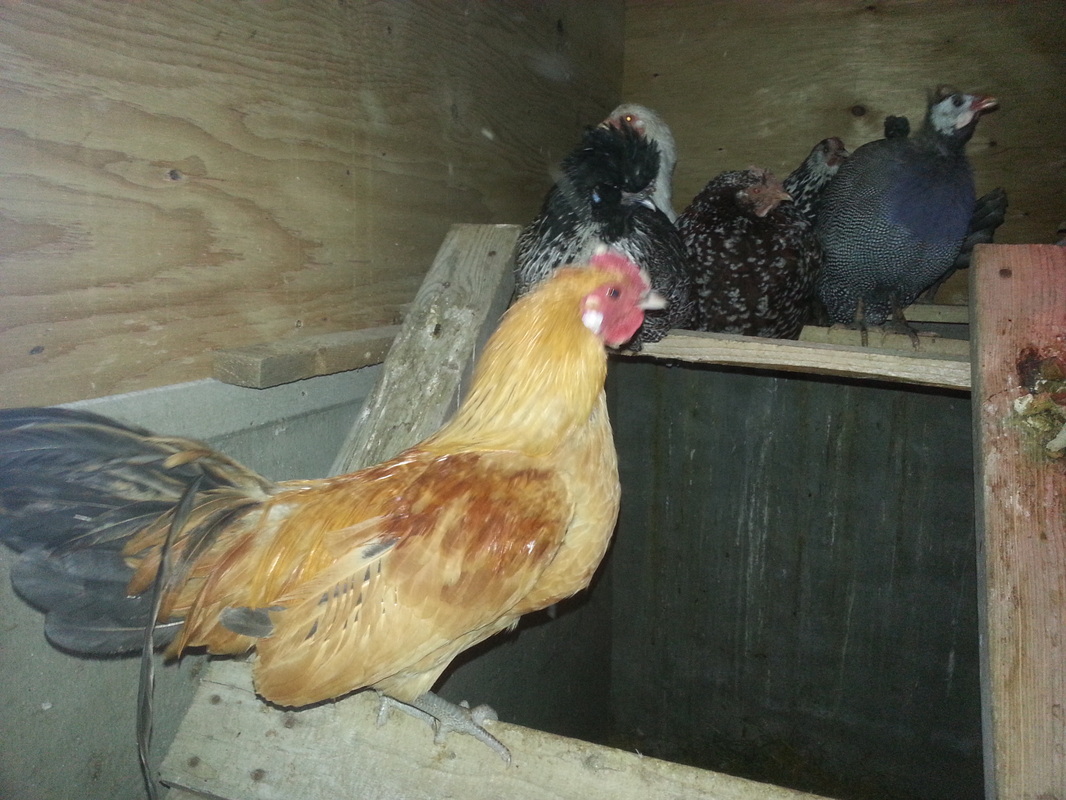
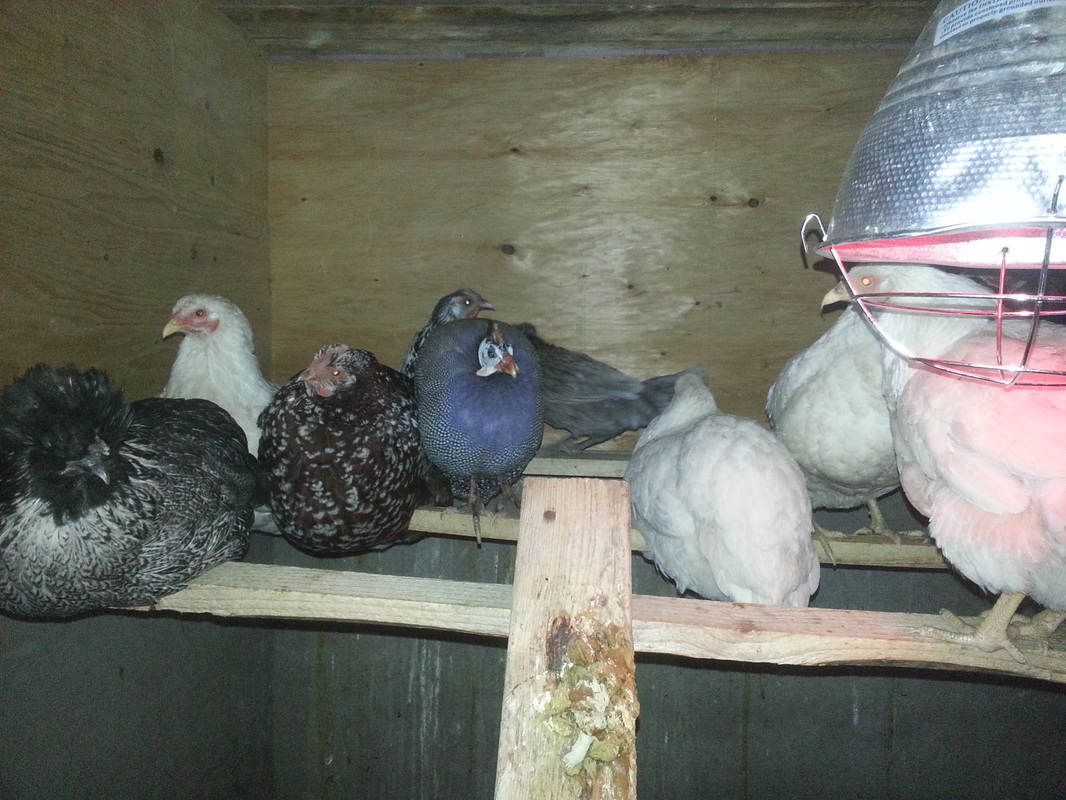
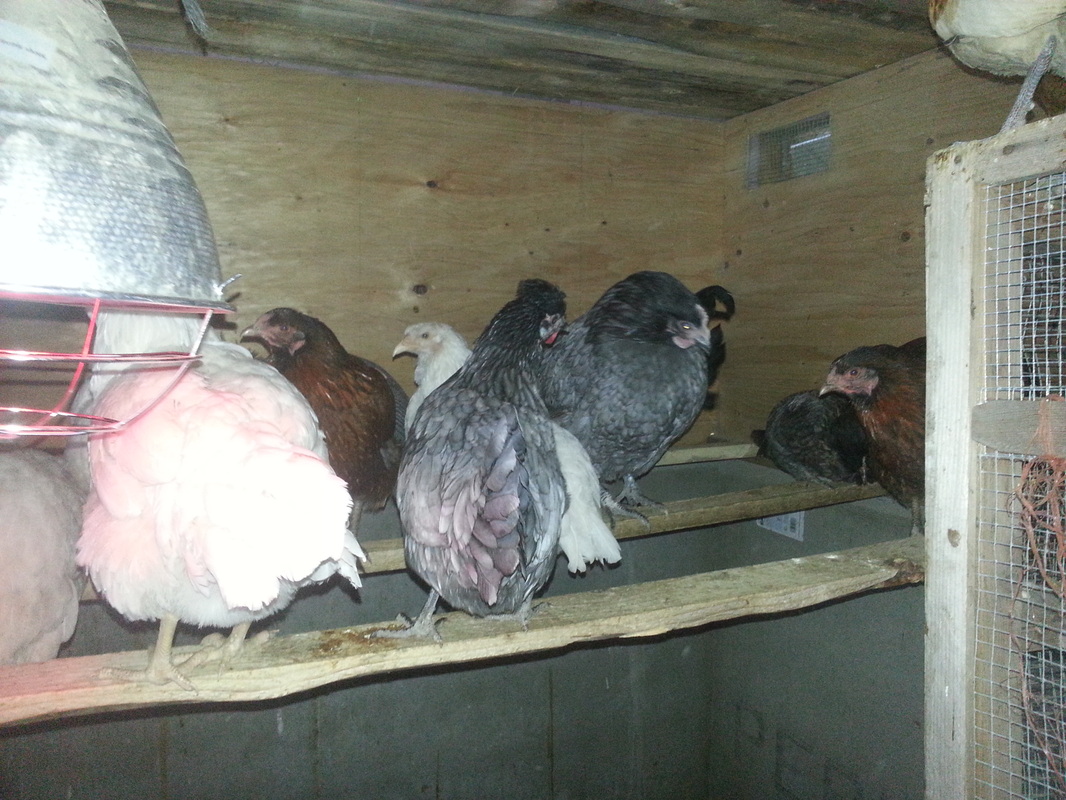
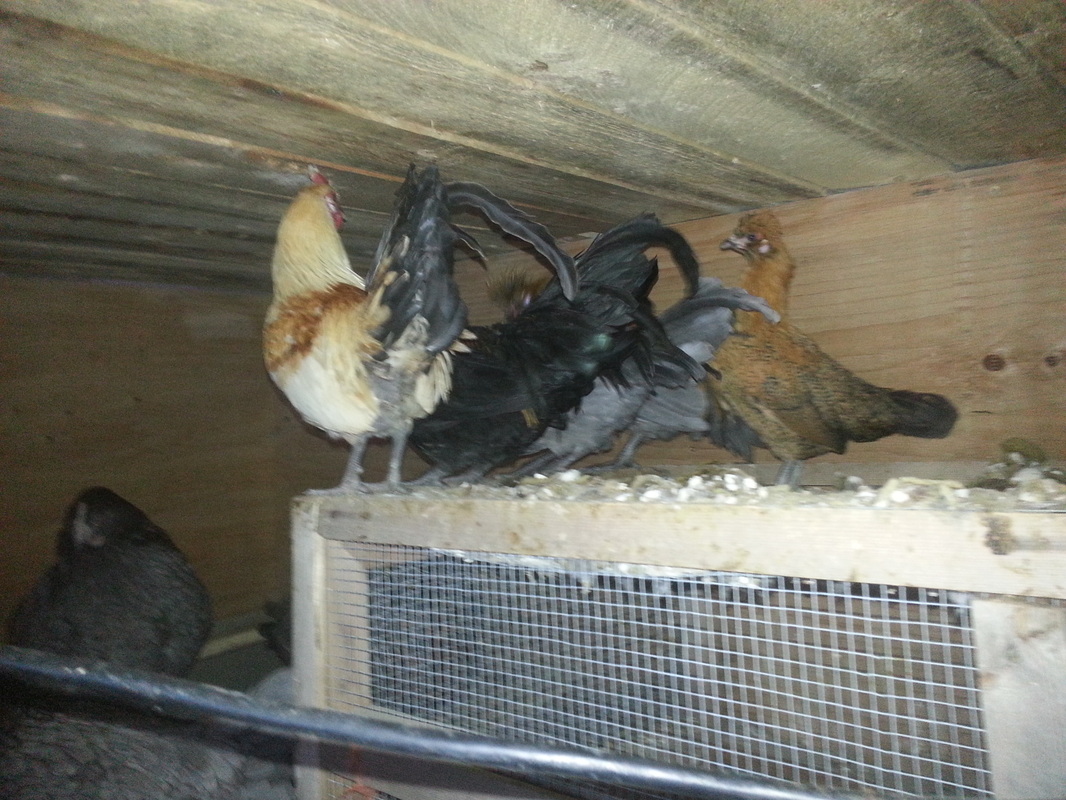
There are three coops on the Fat Ewe Farm. One is an open hoop shelter covered with a tarp and it even has a window on the south side, a favourite spot of the goose who loves to bask in the sun. The long coop houses the ducks and geese, but the guineas and some of the chickens also hang out there during the day. There is a dust bath of wood ash as a spa enticement, and a dish of oyster shell or another of gravely dirt to go along with the grain lunch. This coop just got a good layer of fresh hay, which the birds eat from as well as snuggle into.

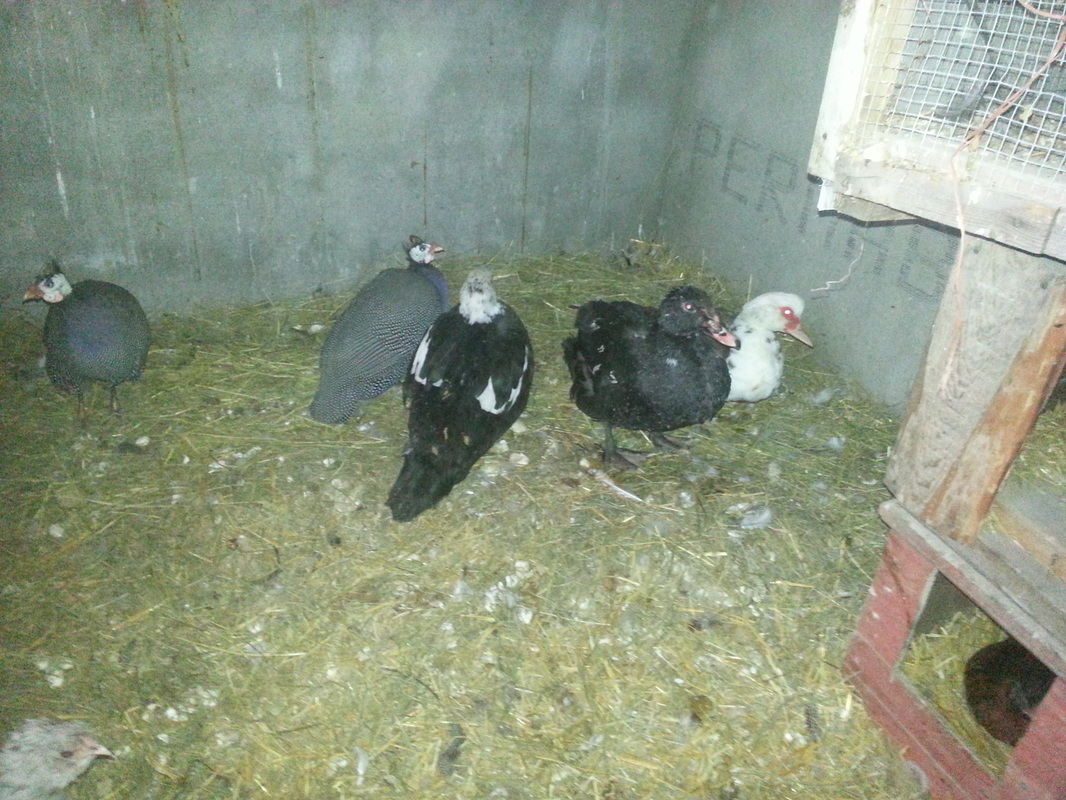
The next coop is the insulated pink coop with a window and pop door. There are three rows of perches and a cage which housed the wayward bantams who were locked in at the start of the brutal winter because they preferred to be in the tree. After one froze and fell out, the rest were caught and caged, since locking them in was only good for as long as the door was shut - then they high taled it back to the tree roost. Now they roost ON the cage instead. Gross! The perches remain clean, but the cage is yucky. The guineas, Chanteclers, and bantams live in this coop, plus the Muscovy ducks, who like the climate better than the waterfowl house. This coop has an infrared heat lamp for those who like to bathe in the warmth of the light, and nest boxes in case they are inclined to lay an egg, which the Partridge Chanteclers have done all winter long.

The third coop is a hoop shelter half covered with plywood and corrugated plastic. It is not insulated but has a cool design that keeps the heat in very nicely, with the birds providing the majority of the warmth for themselves. The Ameraucanas have adopted this coop, plus the white Chanty rooster and a few of the bantams. They do not mix with the rest of the birds for some reason, likely because they were raised in isolation from any contact for the first 8 weeks of life. They are flighty and unfriendly towards chickens, humans and dogs. I would suspect that their poor socialization is the reason for their self isolation. I plan to keep the eggs and raise a new bunch of Ameraucanas from them and sell these to one who does not mind their unfriendly demeanor.

And that is who lives in the Fat Ewe Farm coops.

0 Comments

Ducks

1/2/2014

0 Comments

 
PictureA Saxony hen on the left and Khaki Campbell on the right vying for the hot tub.
I absolutely LOVE the ducks! For hours on end, I can stand and watch them conversing with each other, scolding, picking, fighting, waddling and bathing. Bathing in winter is particularly interesting. I do not give them much water when it is cold, only a bucket in which they can dip their whole heads in to clear their eyes, which is mandatory, and a small, shallow pan, which was supposed to be for the chickens. The geese and ducks will go to the bucket and dip their heads in, flapping their wings as though they were in a shallow pool, and spread the water by throwing it onto their feathers. Of course, in these frigid temperatures, the water freezes instantly. This is not bad though. The ducks and geese will then spend an hour preening, that is spreading the oil from a gland through their feathers, which further waterproofs and weatherproofs them. They are well insulated and can lay on the ice and snow if they tuck their feet up into their feathers, which they do. The feet of the waterfowl are more sensitive to the cold, it seems, than the chickens, though neither like the very cold weather.

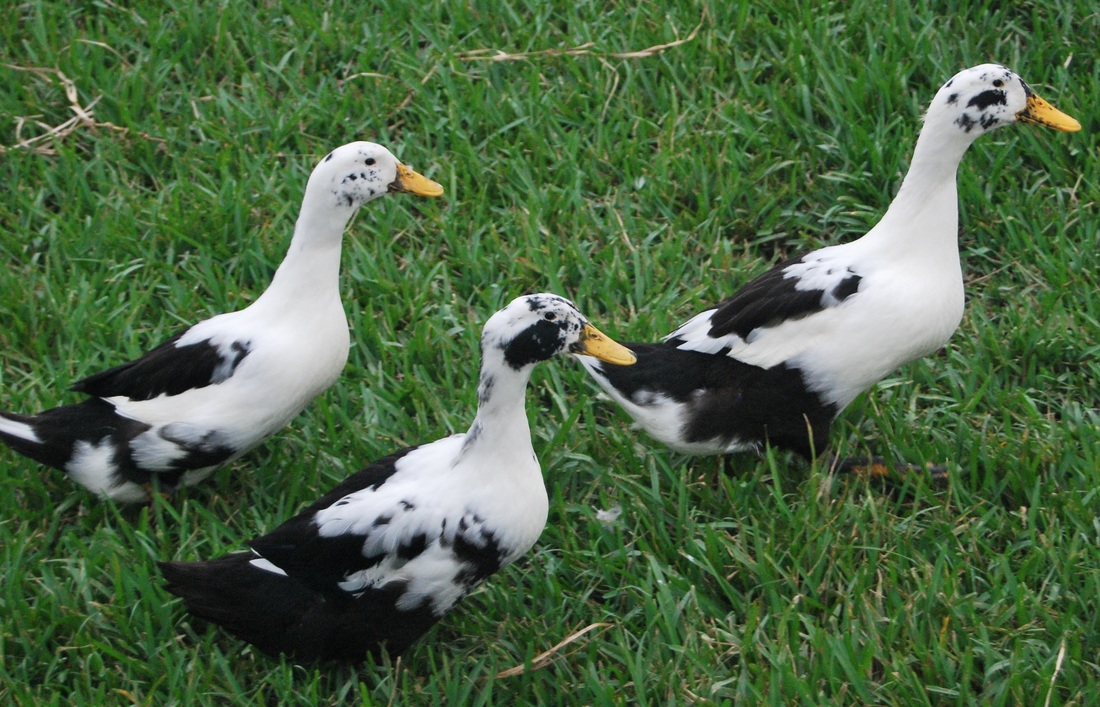
The Fat Ewe Farm has some interesting rare breeds of ducks. Of 11 ducklings purchased in the summer, only one female Ancona remains. The Ancona is a black and white duck, somewhat flighty and crazy, but absolutely the best foraging duck on the farm. I would like to try a few Runner ducks, one of the breeds from which the Ancona was derived to compare their foraging abilities, but more so, I would like to find a mate for the Ancona duck and see if I can raise some of these amazing little critters.

There are three Saxony ducks but no drake there either. The Saxony is a pretty buff coloured duck with buff and white eye stripes. They lay eggs well from early spring to very late fall and are larger than many duck breeds, so make a nice table duck. I am searching for a non related Saxony drake for the spring.

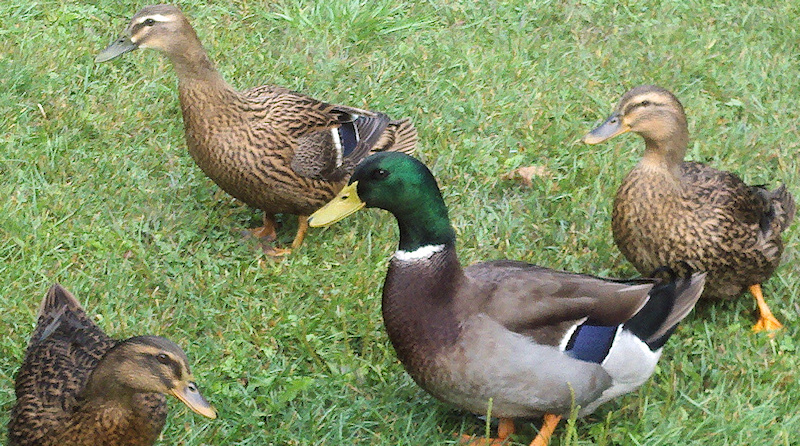
The Rouen is coloured as the wild Mallard from which it is derived, though it is a very large duck. They lay a great deal of eggs and are good at feeding themselves if given the opportunity. There are three ducks and drake of the Rouen breed.

Khaki Campbell ducks were my first experience with waterfowl and I really loved them. They are crazy skitterish and will fall all over themselves to get away from me, but when I am not moving towards them, they will also come and see what I have and run all over my feet. They detest being picked up and so far, I have not tamed a single one. The second year, a duck got injured and was secluded. She nested and hatched 8 babies, and that is rare for Khaki Campbells. Maybe the secret is to sequester them away so they desire to set the nest rather than run and play. The Campbells were bred to lay eggs, and that they do extremely well.

There are some other ducks living at The Fat Ewe Farm, but they are crosses from the ducks here, mostly Rouen, Campbell crosses and only the females are here, about five of them. I would love to try the Dutch Hookbill, Blue Swedish, and Aylesbury, the finest table duck ever bred, along with some Runner ducks. That will be a project for the summer, to try to locate pairs of these.

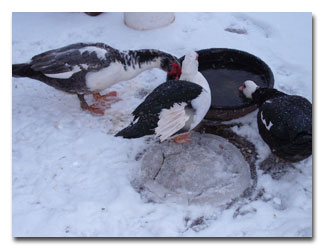
Oh yeah, there are also four Muscovy ducks. These are large flighted ducks from South America originally, well, not these particular ones, but the breed is. They do not quack or make noise, but rather make a funny sound like a person with harsh laryngitis. They do not like the cold and do not far as well as the ducks descended from the Mallards, which is basically the rest of the ducks. There are three ducks and one summer baby that appears to be male. Muscovy ducks are constantly broody even at the sake of their own health. Last summer one duck spent three months under buildings trying to hatch ducklings. Finally, I tore up the nest and threw the eggs away, which were long overdue and bad, and she was locked up with the rest of the ducks. Muscovies will hatch the eggs of any duck or chicken though, so they are very valuable that way, plus they are supposedly tasty with very dark meat, but I have not eaten one.

Duck eggs are three times more nutritious than chicken eggs and when they are plentiful, I won't touch the chicken eggs. They just do not compare. The ducks are fed minimal grain in the summer and have the run of the farm yard to eat grass, which they a lot of, dandelions, their favourites and bugs, flies and even the odd young mouse of vole. I am looking into alternatives for not feeding grain to the birds at the Fat Ewe , but I am not sure yet how that will work. In the meantime, I love those duckies! They put a smile on my face every time.

Picture
Ancona ducks
Picture
Muscovy ducks
Picture
Rouen ducks
0 Comments
<<Previous

    Categories

    All
    Airstream Land Yacht 1964
    Alpacas
    Alpine Goats
    Ameraucana Chickens
    American Buff Geese
    Ancona Ducks
    Angora Goats
    Angora Goats
    Angora Rabbits.
    Babydoll Southdown Sheep
    Babydoll Southdown Sheep
    Bed And Breakfast
    Berkshire Pigs
    Blue Faced Leicester Sheep
    Blue Swedish Ducks
    Boer Goats
    Border Collie
    Border Collie
    Bronze Turkey (Standard)
    Bronze Turkey Standard
    Canadian Horses
    Canadian Horses
    Cats
    Chickens
    Cotswold Sheep
    Crafts And Hobbies
    Cream Legbar Chickens
    Dorset Sheep
    Ducks
    Embden Geese
    E'st A Laine Merino Sheep
    Farm Life
    Farm Life
    Farm Store
    Finnsheep
    Flemish Giant Rabbit
    Flowers
    French Lop Rabbit
    Galloway Cattles
    Gardening
    Gotland Sheep
    Guinea Fowl
    Herbs
    Holstein Steer
    Icelandic Sheep
    Jacob Sheep
    Japanese Bantam Chickens
    Jersey Cow
    Kahaki Campbell Ducks
    Karakul Sheep
    Kiko Goats
    Kilo Highland Cows
    Light Sussex Chicken
    Livestock Guardian Dogs
    Livestock Guardian Dogs
    Maremma Sheepdogs
    Maremma Sheepdogs
    Meishan Pigs
    Miniature Nigerian Dwarf Goats
    Moose Hills Inn
    Muscovy Ducks
    Norwegian Red Dairy Cow
    Nubian Goats
    Nygora Goat
    Ossabaw Hogs
    Partidge Chantecler Chickens
    Pekin Ducks
    Permaculture
    Pied Guinea Fowl
    Polish/Ameraucana Bantam Cross Chickens
    Polled Dorset Sheep
    Potbelly Pigs
    Pygmy Goats
    Recipes
    Rigit Galloway Cows.
    Romanov Sheep
    Romney Sheep
    Rouen Ducks
    Saddleback Pomeranican Geese
    Saxony Ducks
    Sebastopol Geese
    Sheep And Goats
    Shetland Sheep
    Silver Spangled Hamburg Chicken
    Soap And Hand Made Cosmetics
    Standard Jack Donkey
    Sustainability
    Swiss Blackneck Goats
    The Llamas
    The Llamas
    Toulouse Geese
    Tunis Sheep
    White Chantecler Chickens
    White Danish Geese
    Wool

    Author

    Fluffy writes daily about the experiences on the farm and with the bed and breakfast patrons. 

    Archives

    October 2020
    September 2019
    June 2019
    March 2019
    January 2019
    November 2018
    December 2017
    November 2017
    October 2017
    September 2017
    August 2017
    July 2017
    June 2017
    May 2017
    April 2017
    March 2017
    February 2017
    January 2017
    December 2016
    November 2016
    October 2016
    September 2016
    August 2016
    July 2016
    June 2016
    May 2016
    April 2016
    March 2016
    February 2016
    January 2016
    December 2015
    November 2015
    October 2015
    September 2015
    August 2015
    July 2015
    June 2015
    May 2015
    April 2015
    March 2015
    February 2015
    January 2015
    December 2014
    November 2014
    October 2014
    September 2014
    August 2014
    July 2014
    June 2014
    May 2014
    April 2014
    March 2014
    February 2014
    January 2014
    December 2013
    November 2013
    October 2013
    September 2013
    August 2013
    July 2013
    June 2013
    May 2013
    April 2013
    March 2013
    February 2013
    January 2013

    view old blog site

    RSS Feed

Powered by Create your own unique website with customizable templates.